Benefits & Wellbeing of Cacao
Ancient wisdom. Modern understanding.
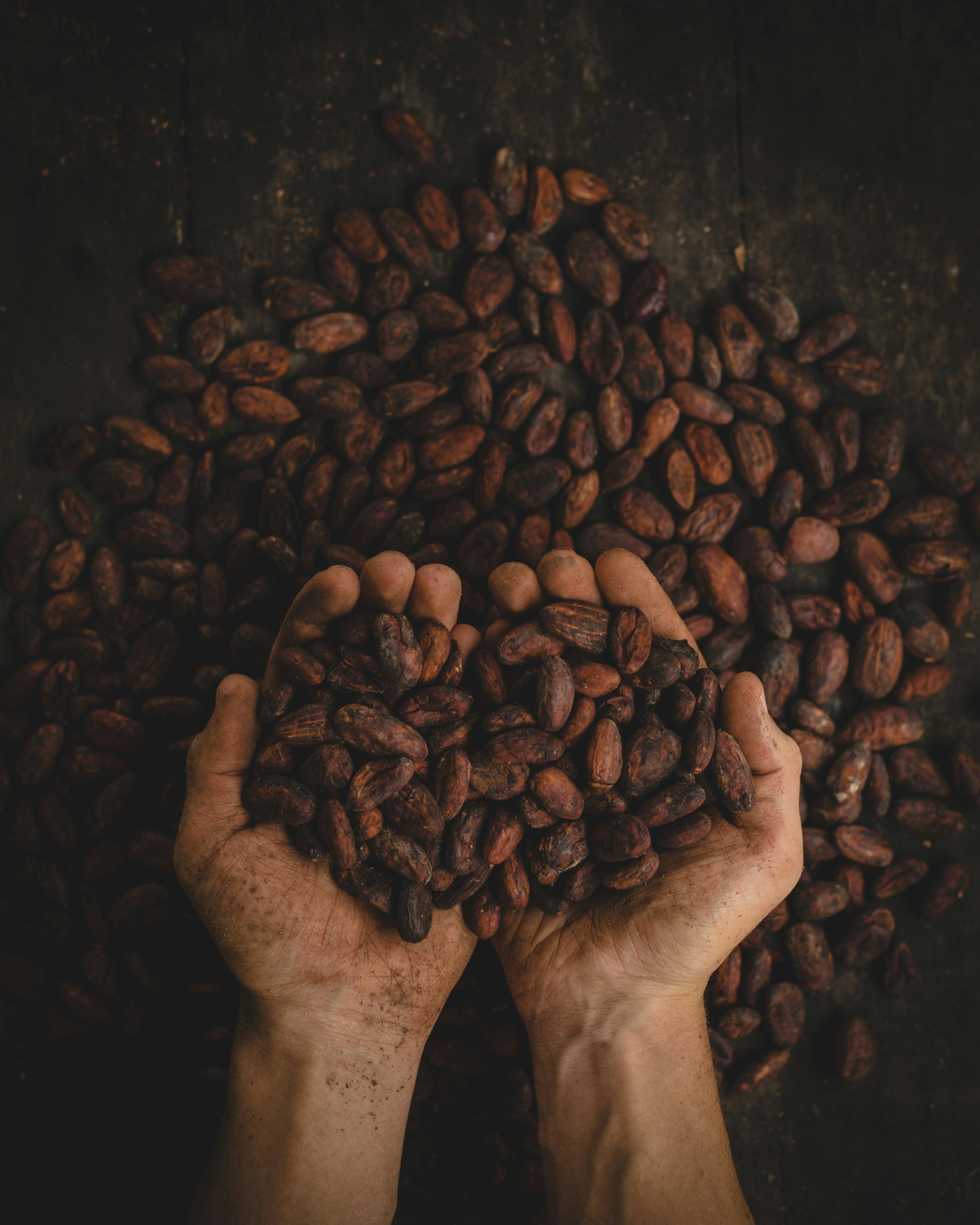
For thousands of years, cacao has been valued by cultures across Central and South America as a source of nourishment, connection and community. Traditionally shared during gatherings, rituals and important moments of life, cacao has long been appreciated for the way it brings people together and encourages presence.
Today, alongside these traditional understandings, modern research continues to explore the naturally occurring compounds found within cacao. Rich in minerals such as magnesium, iron, copper and manganese, as well as plant compounds including flavanols and theobromine, cacao possesses a unique nutritional profile that has attracted growing scientific interest.
While science can help us understand what cacao contains, many people feel its greatest gifts extend beyond what can be measured. Whether enjoyed as part of a morning ritual, creative practice, moment of reflection or community gathering, cacao continues to offer an invitation to slow down, connect and nourish ourselves more deeply.
What's Inside Cacao?
Cacao is far more than a comforting drink. In its pure form, it contains a remarkable combination of minerals, plant compounds and naturally occurring substances that contribute to both its nutritional value and the way many people experience it.
From compounds that support circulation and gentle energy, to minerals that play important roles throughout the body, cacao's richness extends far beyond its flavour.
Theobromine
A naturally occurring compound unique to cacao that is often associated with gentle energy, alertness and focus. Unlike caffeine, many people describe its effects as smoother and more sustained.
Essential Minerals
Cacao naturally contains magnesium, iron, copper, manganese and other minerals that contribute to normal energy production, nervous system function, oxygen transport and overall wellbeing.
Flavanols & Antioxidants
Cacao is one of the richest natural sources of flavanols, a type of antioxidant that helps protect cells from oxidative stress. These compounds continue to be studied for their role in circulation, blood flow and cardiovascular health.
Mood & Wellbeing Compounds
Cacao contains naturally occurring compounds such as anandamide, phenylethylamine (PEA) and tryptophan, which have contributed to cacao's long-standing association with feelings of pleasure, connection and emotional wellbeing.
Theobromine: Cacao's Gentle Energiser
One of the primary compounds found naturally in cacao is theobromine, an alkaloid that belongs to the same family as caffeine. However, theobromine affects the body differently, producing a gentler and more gradual effect.
Unlike caffeine, which primarily stimulates the central nervous system, theobromine acts more broadly within the body and has been studied for its effects on circulation and alertness. This may help explain why many people describe cacao as providing a sense of calm focus rather than the spikes and crashes often associated with coffee.
While everyone's experience is unique, many people report feeling more present, creative, focused and energised after drinking cacao.
Perhaps one of the reasons cacao has remained so treasured throughout history is that it offers a different relationship with energy, one that feels less about pushing forward and more about becoming fully present to the moment.

Flavanols & Antioxidants
One of the reasons cacao has attracted growing scientific interest is its naturally high concentration of flavanols, a type of plant compound belonging to a wider group known as polyphenols. Flavanols are also found in foods such as berries, apples, grapes and green tea, where they are valued for their antioxidant properties.
Antioxidants help protect our cells from oxidative stress, a natural process that occurs within the body as a result of everyday metabolism and exposure to environmental factors. While oxidative stress is a normal part of life, a diet rich in plant-based foods containing antioxidants is widely recognised as an important part of supporting overall health and wellbeing.
Cacao is considered one of the richest natural food sources of flavanols. Modern research continues to explore the role these compounds may play in supporting healthy circulation, blood flow and cardiovascular function. Some studies suggest flavanols may help support the production of nitric oxide, a molecule that helps blood vessels relax and maintain healthy circulation.
The amount of flavanols present can vary significantly depending on the variety of cacao, growing conditions and processing methods used. In general, minimally processed cacao tends to retain higher levels of these naturally occurring compounds.
While science continues to deepen our understanding of flavanols, many people are drawn to cacao for reasons that extend beyond its nutritional profile. Perhaps part of its enduring appeal lies in the way it invites us to slow down, savour the experience and cultivate a deeper appreciation for the gifts of the natural world.
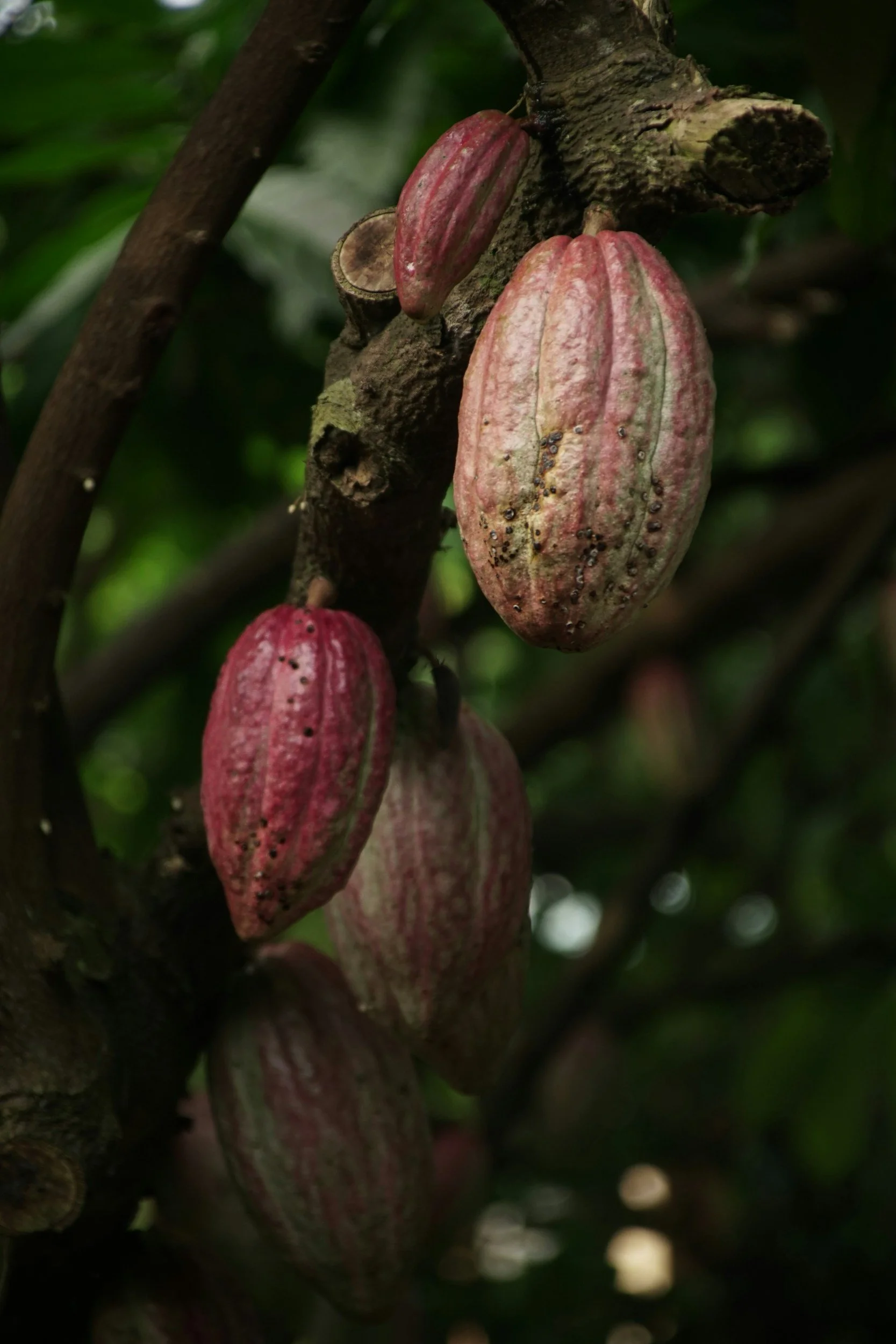
Essential Minerals
Beyond its rich flavour and long history of traditional use, cacao is also a naturally occurring source of several important minerals that support normal functions throughout the body.
Among these are magnesium, iron, copper and manganese — minerals involved in processes such as energy production, oxygen transport, nervous system function and protecting cells from oxidative stress. The exact mineral content can vary depending on the origin of the cacao, growing conditions and processing methods used.
Magnesium
Often referred to as the "relaxation mineral", magnesium contributes to normal muscle function, energy metabolism and the healthy functioning of the nervous system. Cacao is a naturally rich source of magnesium, which may be one reason many people find it such a nourishing addition to their wellbeing practices.
Iron
Iron contributes to the normal formation of red blood cells and haemoglobin, helping transport oxygen around the body. It also plays a role in supporting normal energy levels and reducing tiredness and fatigue.
Copper & Manganese
These trace minerals contribute to normal energy metabolism and help protect cells from oxidative stress. They also play important roles in maintaining healthy connective tissues and supporting the body's natural processes.
While cacao is not a replacement for a varied and balanced diet, its naturally occurring mineral content is one of the many reasons it has been valued as a nourishing food for generations.
Mood & Wellbeing Compounds
For centuries, cacao has been associated with feelings of connection, pleasure and emotional wellbeing. While the experience of cacao is shaped by many factors — including setting, intention, community and personal sensitivity — researchers have identified several naturally occurring compounds within cacao that may contribute to its unique reputation.
Anandamide
Often referred to as the "bliss molecule", anandamide is a naturally occurring compound found within both the human body and cacao. Anandamide is involved in pathways related to mood, motivation and wellbeing, which has contributed to its fascination among researchers and cacao enthusiasts alike.
Phenylethylamine (PEA)
Phenylethylamine is a naturally occurring compound sometimes nicknamed the "love molecule" because it is also produced by the body during moments of excitement, attraction and joy. While the body rapidly breaks down PEA, its presence in cacao has long contributed to cacao's association with feelings of pleasure and emotional warmth.
Tryptophan
Cacao contains small amounts of tryptophan, an amino acid that the body uses to produce serotonin, a neurotransmitter involved in mood regulation and emotional wellbeing.
More Than Chemistry
While these compounds are fascinating, they are only one part of the story. The experience of drinking cacao is influenced not only by what it contains, but by how it is shared and received. Many people choose to enjoy cacao during meditation, journaling, creative practices, nature connection or community gatherings. Others simply appreciate the opportunity to pause, slow down and create a meaningful moment within their day.
Whether enjoyed alone or with others, cacao continues to be valued as a drink that encourages presence, reflection and connection, qualities that cannot always be measured in a laboratory, yet remain central to the experience for many people.

Questions About Cacao?
From preparation and dosage to safety considerations and sourcing, explore the frequently asked questions below.
Some of the Reasons People Choose to Work With Cacao
A mindful alternative to coffee
Connection to ritual and intention
Nutritional richness
Support for moments of reflection and creativity
Shared experiences and community
Beyond the Science…
While science can help us understand cacao's nutritional profile and naturally occurring compounds, many people feel that cacao's greatest gifts extend beyond what can be measured.
Over the years, I have shared cacao within women's circles, retreats, workshops, sound journeys and private gatherings. Again and again, I have witnessed something that cannot easily be explained by minerals, flavanols or theobromine alone. When cacao is enjoyed with intention, presence and care, many people describe feeling more connected to themselves, more open to others and more able to listen to what is happening within. Emotions that have been pushed aside are sometimes acknowledged. Creativity begins to flow. Laughter emerges more easily. Conversations deepen. There can be a sense of remembering something that was never truly lost.
For me personally, cacao has been a companion on a journey of self-discovery. It has supported me in finding my voice, trusting my intuition and creating space to meet myself with greater honesty and compassion. Not because cacao does the work for us, but because it invites us to slow down long enough to hear what is already present beneath the noise of everyday life.
Perhaps this is why cacao has been honoured for generations within gatherings, rituals and important moments of life. The drink itself is only part of the experience. Equally important is the space we create around it… the intention we bring, the people we share it with, the conversations we have, the silence we allow, and the willingness to be fully present.
Whether enjoyed alone during a quiet morning ritual or shared within community, cacao continues to offer an invitation to reconnect: with ourselves, with one another and with the living world around us. Its deepest gifts may not always be found in what it contains, but in what it helps us make space for.

Ready to Experience Cacao for Yourself?
Whether you're looking to bring cacao into your daily life, deepen your understanding, or experience it within a supportive community, here are a few places to continue your journey.
Explore ways of working with cacao through reflection, journaling, meditation and seasonal rituals.
Browse the collection.
Discover the Ecuadorian and South Indian cacao I carefully source and work with.
Circles, workshops, retreats and private gatherings.
Learn how to prepare and enjoy cacao at home.