What is Cacao?
A sacred plant ally for connection, ritual and wellbeing.

Cacao has been shared for generations within community gatherings, sacred traditions and everyday moments of nourishment. Whether you're discovering cacao for the first time or deepening an existing relationship with it, this page explores its origins, preparation, benefits and the many ways it can be enjoyed today.
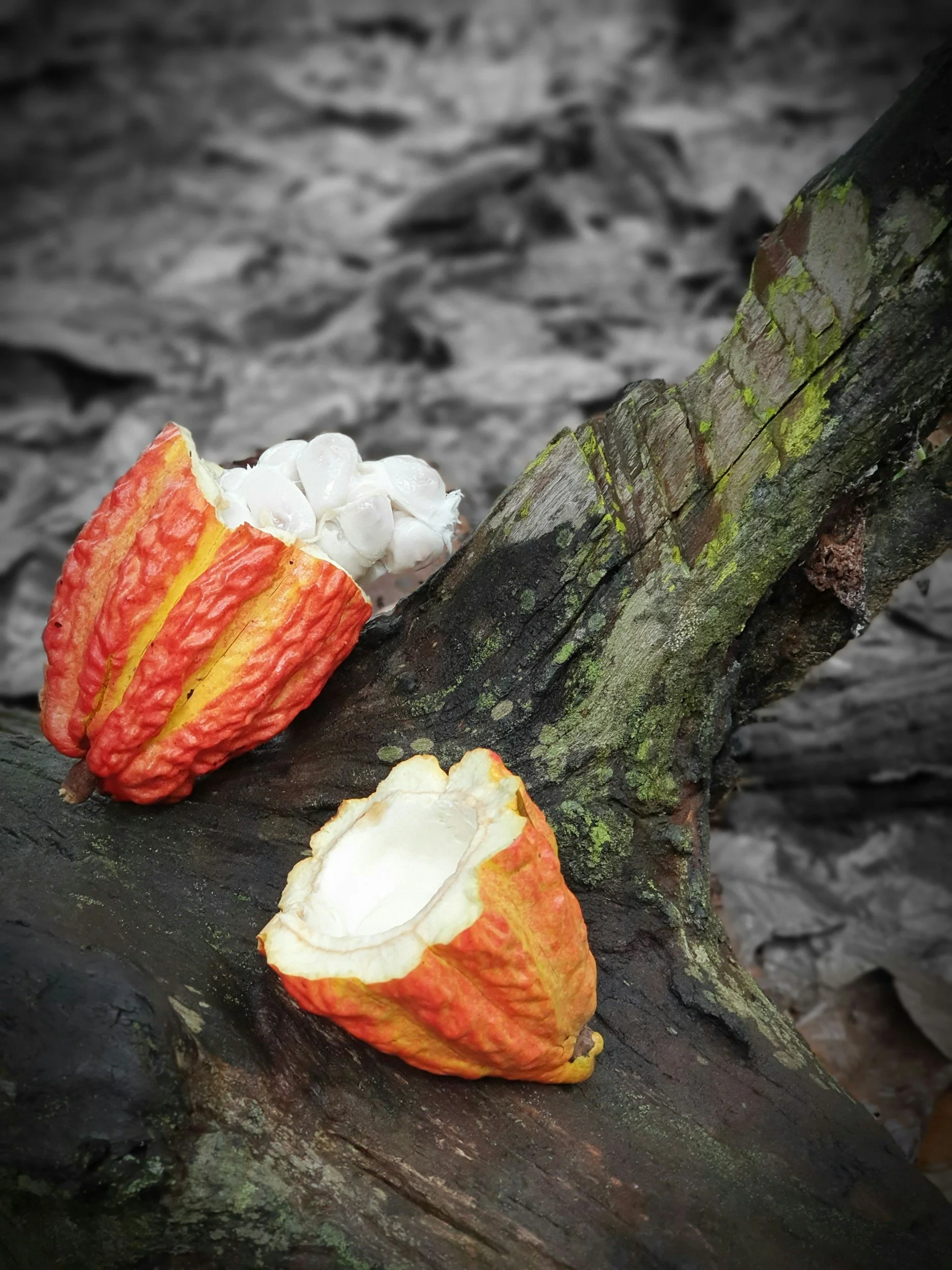
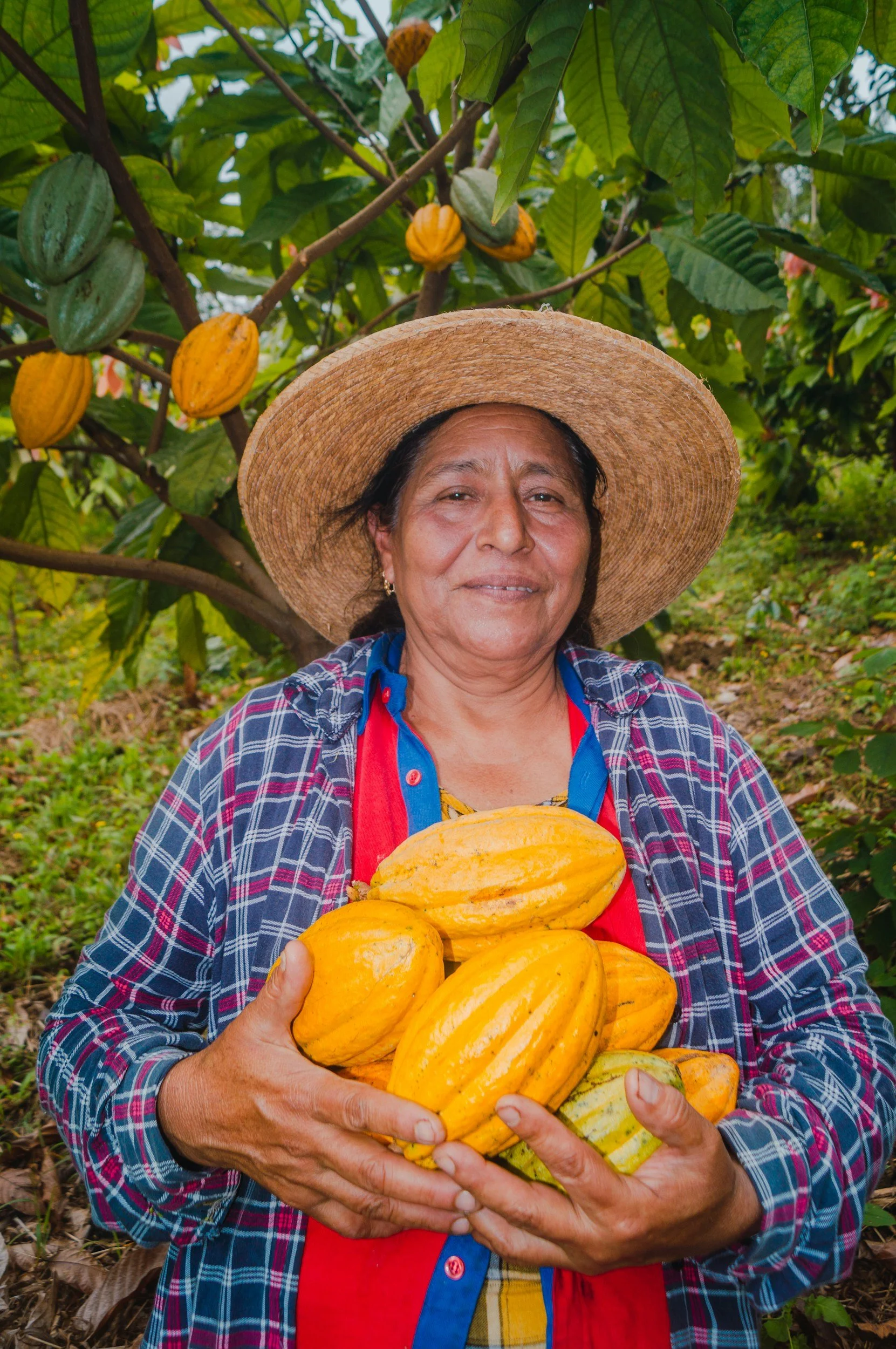
What is Cacao?Cacao begins as seeds inside the colourful pods of the Theobroma cacao tree. Once harvested, the pods are opened and the seeds, often called cacao beans, are removed from a sweet, white and very delicious pulp. Imagine a blend between banana and pineapple. Yum!
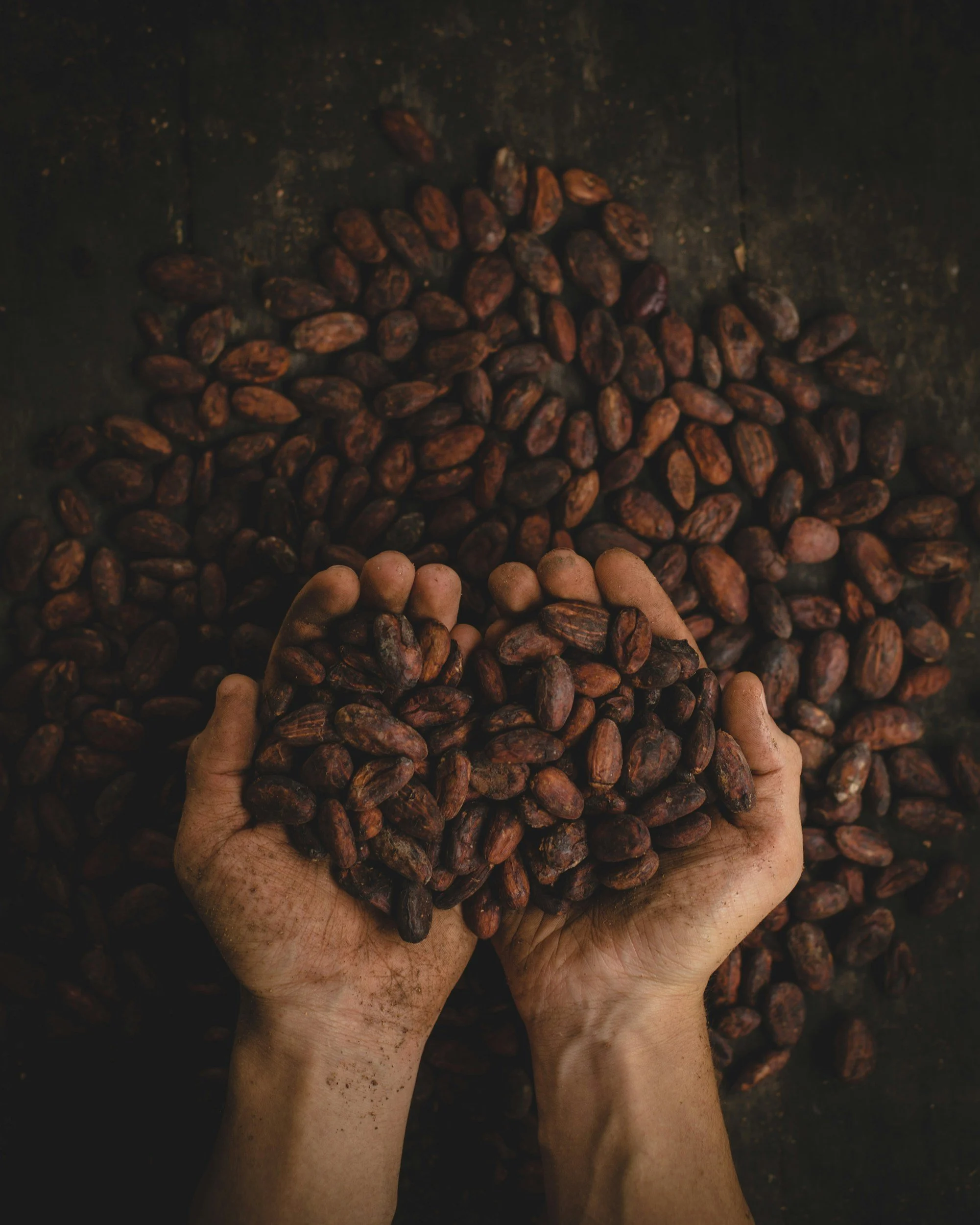
From here, the process can vary depending on the origin, producer and final use of the cacao. Many cacao beans are fermented and dried to develop flavour, reduce bitterness and prepare the beans for further processing. Some cacao, however, may be unfermented or only lightly fermented, creating a very different flavour profile.
After drying, cacao may be roasted, gently roasted at low temperatures, or left unroasted. The outer shell is then removed to reveal the nibs, which can be ground into cacao paste, also known as cacao liquor or cacao mass.
This paste may be used to prepare drinking cacao, or further processed into cacao powder, cacao butter, chocolate and other cacao-based products.
The Origins of CacaoThe cacao tree, known botanically as Theobroma cacao, meaning "food of the gods", has a rich and fascinating history that stretches back thousands of years. While the Olmec, Maya and Aztec civilisations are perhaps the most well-known cultures associated with cacao, archaeological discoveries continue to deepen our understanding of its origins. In recent years, researchers working at the ancient ceremonial site of Huaca Montegrande in northern Peru have uncovered some of the oldest known evidence of cacao use ever found. These discoveries suggest that humans may have been cultivating and using cacao for more than 5,000 years, and possibly much longer.
Across Central and South America, cacao was considered a precious gift. It was used in celebrations, ceremonies, community gatherings and important rites of passage. In some cultures, cacao beans were even used as a form of currency.
The deep cultural, spiritual and communal relationship many Indigenous peoples have with cacao continues to inspire the way it is honoured and shared today. More than simply a food, cacao has long been woven into stories of connection, reciprocity, community and reverence for the natural world.
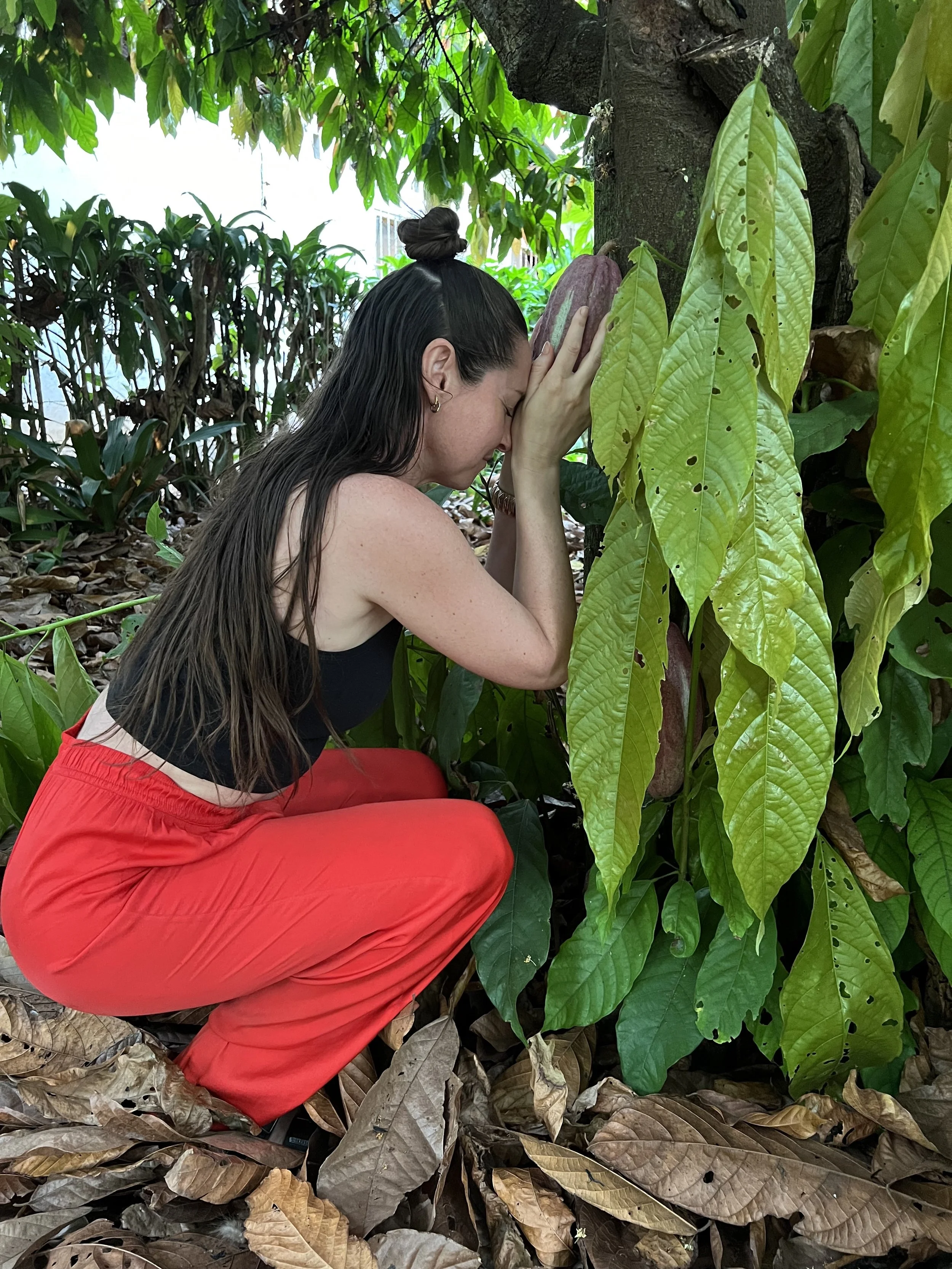
From Tree to CupCacao grows on an evergreen tree that produces colourful pods directly from its trunk and branches. Inside each pod are cacao beans surrounded by a sweet white pulp.
After harvesting, the beans are fermented and dried. Fermentation is an essential part of the process, helping to develop the complex flavours and aromas associated with cacao.
The beans are then gently roasted, their shells removed, and the remaining nibs ground into a rich cacao paste. When minimally processed, this paste retains much of the cacao's natural character and is commonly used to prepare drinking cacao.
Further processing can produce cocoa powder, cocoa butter and the chocolate products found in shops worldwide.
Why do People Value Cacao?Cacao has been appreciated for centuries for reasons that extend beyond its flavour.
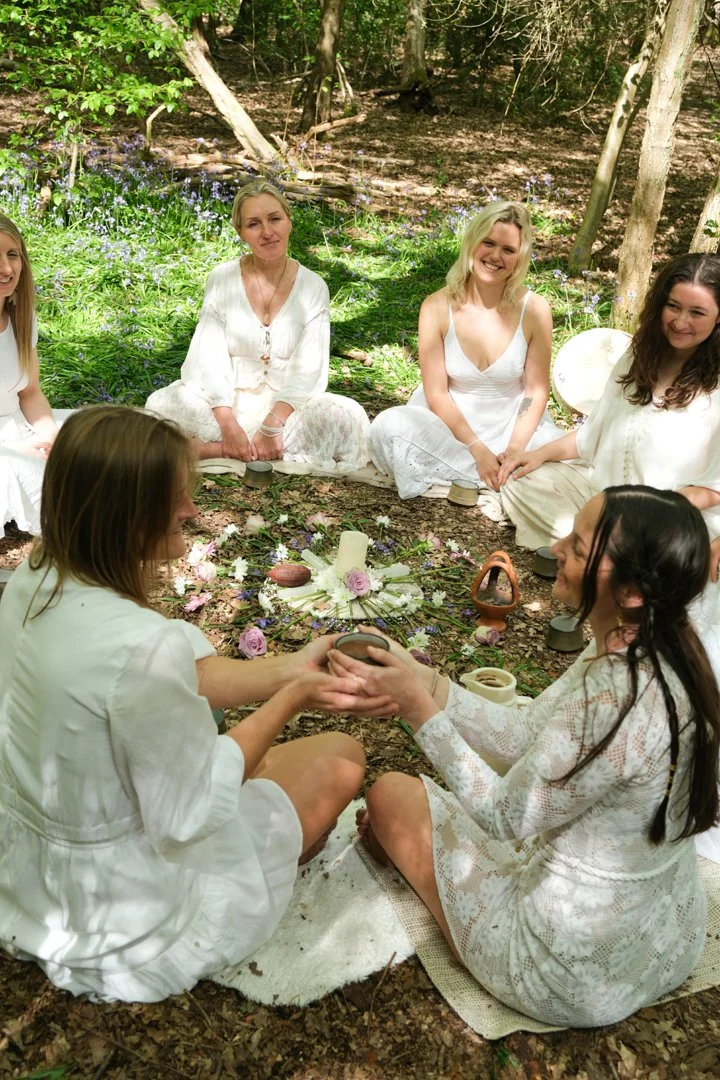
Traditionally, cacao has been used to bring people together, support reflection, mark important occasions and create moments of connection.
Today, many people enjoy cacao as part of their daily rituals, meditation practices, journaling, creative work and community gatherings.
Modern research has also shown that cacao naturally contains minerals such as magnesium, iron, copper and manganese, along with plant compounds including flavanols and theobromine. These naturally occurring compounds contribute to cacao's unique flavour, aroma and characteristics.
While science continues to explore cacao's many properties, for many people its greatest value lies in the way it encourages them to slow down, become present and reconnect with themselves and others.
A Note on "Ceremonial Cacao"You may come across the term "ceremonial cacao" when exploring the world of cacao.
While there is no universal certification or official definition of ceremonial cacao, the term is often used to describe high-quality cacao that has been grown, sourced and prepared with great care, respect and intention.
At ReNurture, I value transparency, ethical sourcing and reverence for the people, land and traditions connected to cacao. The cacao I share is carefully selected for its quality, integrity and minimal processing, allowing its natural richness and character to be experienced as fully as possible.
For me, cacao is not simply a product. It is an invitation to pause, listen deeply and cultivate a more meaningful relationship with ourselves, one another and the Earth.
Frequently Asked Questions
Still have questions?
Take a look at the FAQ or reach out anytime.
-
Both cacao and cocoa come from the same plant, Theobroma cacao. The terms are often used interchangeably, though "cacao" is commonly used to describe products that have undergone minimal processing, whilst "cocoa" is more often associated with roasted powders and commercial chocolate products.
Rather than focusing solely on the name, I encourage looking at how the cacao has been grown, sourced and prepared. The cacao I share is 100% pure cacao, carefully sourced and minimally processed to honour its natural character and richness.
-
Not quite.
Chocolate is made from cacao, but often includes additional ingredients such as sugar, milk, flavourings and emulsifiers. Pure cacao is simply the cacao bean in its most natural form, allowing you to experience its full flavour, complexity and unique qualities.
-
Yes, cacao naturally contains a small amount of caffeine. However, it contains significantly less than coffee and also contains theobromine, a naturally occurring compound that many people find provides a gentler and more sustained sense of alertness.
Many people describe cacao as offering calm energy rather than the peaks and crashes often associated with coffee.
-
Many people choose to incorporate cacao into their daily rituals and wellbeing practices. Some enjoy a small cup each morning, whilst others prefer to work with it more occasionally.
As with any food or practice, I encourage listening to your body and discovering what feels nourishing and supportive for you. There is no one-size-fits-all approach.
-
You may come across the term "ceremonial cacao" when exploring the world of cacao.
Whilst there is no official certification or universal definition, the term is often used to describe cacao that has been grown, sourced and prepared with care, intention and respect.
At ReNurture, I place greater importance on the quality of the cacao, the integrity of its sourcing, and honouring the people, traditions and environments connected to it than on labels alone.
-
There is no single amount that is right for everyone.
How we experience cacao can vary greatly from person to person and even from day to day. Factors such as body size, sensitivity, sleep, stress levels, hormonal fluctuations, hydration, what we have eaten, medications, mood and overall wellbeing can all influence how we receive cacao.
The quality and preparation of the cacao also matter, as does the environment in which it is consumed. A cup of cacao enjoyed mindfully in a quiet moment may feel very different from the same cup consumed whilst rushing through a busy day.
If you are new to cacao, I recommend starting gently and allowing your body to guide you. Rather than focusing on having more, I encourage approaching cacao with curiosity and noticing how it feels within your unique body and circumstances.
Over time, many people develop a deeper understanding of what amount feels supportive for them and the intention they are bringing to the experience.
-
Whilst many people enjoy cacao as part of their wellbeing practices, it may not be suitable for everyone.
Cacao naturally contains caffeine, theobromine and compounds that can influence mood and circulation. If you are pregnant, breastfeeding, have a heart condition, high or low blood pressure, epilepsy, a chocolate allergy, are sensitive to stimulants, or take medication that affects serotonin levels (including some antidepressants), it is advisable to seek guidance from a qualified healthcare professional before consuming cacao.
As with any food or wellbeing practice, listening to your body is important. If you are unsure whether cacao is right for you, begin with a small amount and seek appropriate medical advice where needed.
-
Every person's experience is unique.
Some people describe feeling more present, focused or creative. Others notice a sense of calm, openness, warmth or connection. For many, the ritual of preparing and drinking cacao becomes just as meaningful as the cacao itself.
My invitation is always to approach cacao with curiosity rather than expectation, allowing your own experience to unfold naturally.
-
Many women continue to enjoy cacao during pregnancy and breastfeeding, and for some it can become a nourishing and supportive ritual during this special chapter of life.
However, every pregnancy, breastfeeding journey and body is unique. Cacao naturally contains caffeine and other active compounds, so it is important to consider your individual circumstances, sensitivities and any advice provided by your healthcare professional.
If you are pregnant or breastfeeding and new to cacao, I recommend starting with a smaller serving and noticing how your body responds. If you have any concerns or underlying health conditions, seeking guidance from your healthcare provider is always advisable.
Ultimately, the most important thing is listening to your body and choosing what feels supportive and appropriate for you and your baby.
-
Cacao may not be suitable for everyone and can interact with certain medications.
If you take antidepressants, blood pressure medication, heart medication, or have any existing health concerns, I recommend speaking with your healthcare professional before consuming cacao. When in doubt, begin with a smaller amount and seek appropriate guidance.
-
I currently share Arriba Nacional cacao from Ecuador and cacao from South India.
These origins have been chosen with great care, not only for their flavour and quality, but for the values and relationships behind them. I seek suppliers who share a commitment to ethical sourcing, sustainability and respect for both people and planet.
-
Cacao is best stored in a cool, dry place away from direct sunlight, excess heat and strong odours.
When cared for in this way, cacao will remain fresh and flavourful for many months.
-
For thousands of years, cacao has been shared during celebrations, ceremonies, community gatherings and important moments of life.
Whilst the cacao itself is important, so too is the space created around it. The act of slowing down, setting an intention, sharing with others, listening deeply or simply being present can transform a simple drink into a meaningful experience.
Perhaps this is one of cacao's greatest gifts: not what it does for us, but the space it invites us to create for ourselves and one another.