A seasonal reflection on the wisdom of the darker months, our belonging to the earth, and the world we are shaping together.

Prefer to listen?
Find a comfortable space, perhaps with a warm cup of cacao or tea, and allow yourself to receive this reflection through my voice.
There is no denying the shift taking place around us. Here in the Northern Hemisphere, the days are shortening, the air is cooling, and the natural world is beginning its descent into the darker half of the year. The trees are releasing their leaves, the earth is receiving what has fallen, and life is changing its rhythm. And perhaps, if we allow ourselves to listen, we can feel that invitation within us too. A calling to turn inwards.

Perhaps you find yourself drawn to the warmth of home, wrapped in another cosy layer, a candle flickering nearby as you lose yourself between the pages of a captivating book, carried into another world.
Or perhaps it's the pages of your journal calling, inviting the thoughts and feelings that have been waiting patiently beneath the surface to find their way from your inner world into expression.
Maybe you find yourself spending more time in the kitchen, where pots of soup simmer gently, the scent of warming spices fills the air, and root vegetables, gathered from beneath the soil, offer their earthy nourishment.
There is something deeply nourishing about this return to the roots. A reminder that we, too, are creatures of the earth. Our bodies are living ecosystems, woven into the same intricate web of life as the soil, the forests, the waters and all the beings with whom we share this planet. And perhaps, as we reconnect with these rhythms, we are also remembering something of those who came before us. The countless lives, human and more-than-human, whose existence has made our own possible.
Yet in a world that so often encourages us to keep moving, producing, consuming and achieving, it can feel unfamiliar to honour a slower rhythm. We have electric lights to extend our days, screens to fill our evenings, and endless distractions to occupy the spaces where silence might otherwise settle. But what happens when we allow ourselves to follow the seasons rather than resist them? What might we discover in the quiet?
The Fertile Darkness
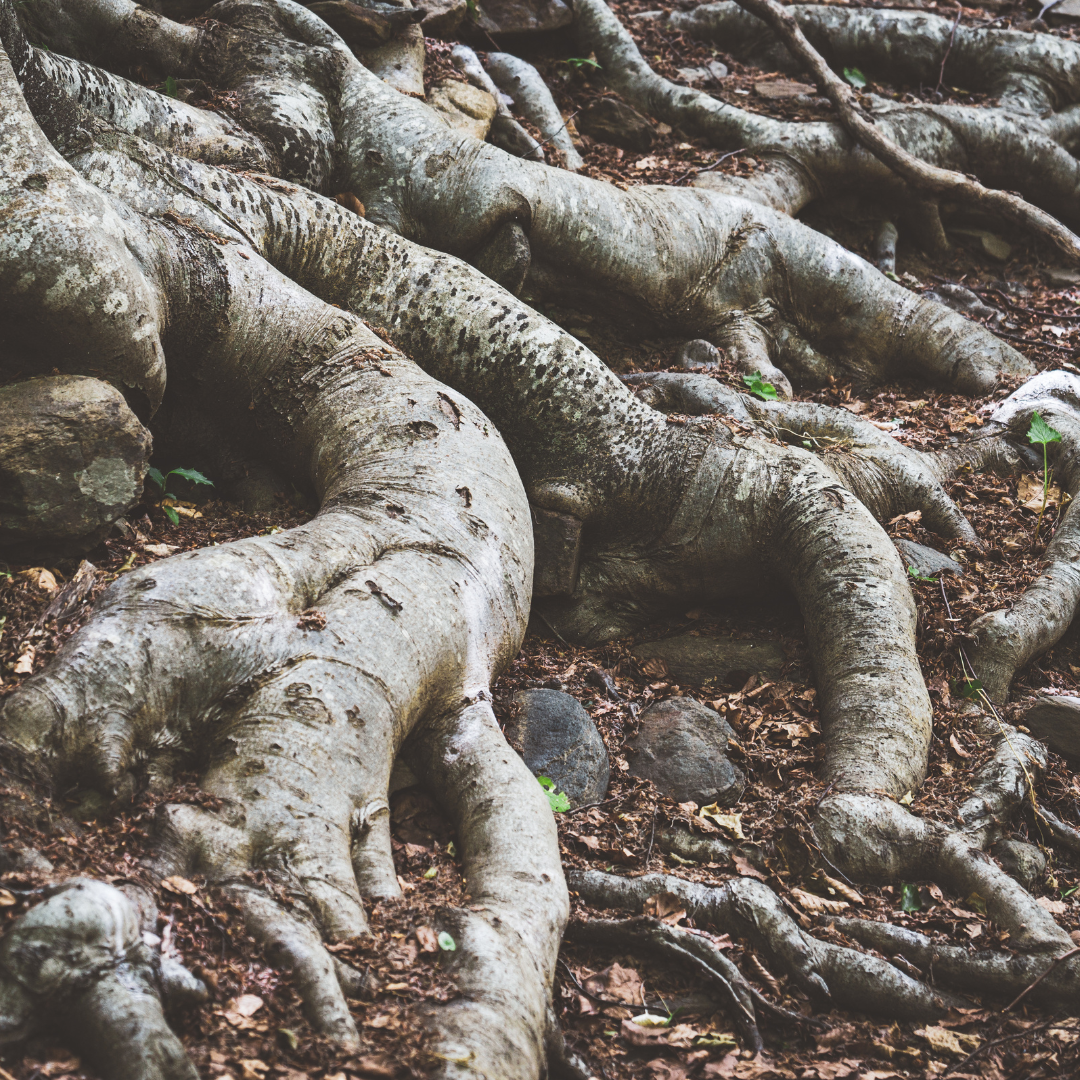
We often associate darkness with something to fear, avoid or overcome.
Yet darkness is also where so much life begins.
Seeds rest beneath the soil.
Roots reach deeper into the earth.
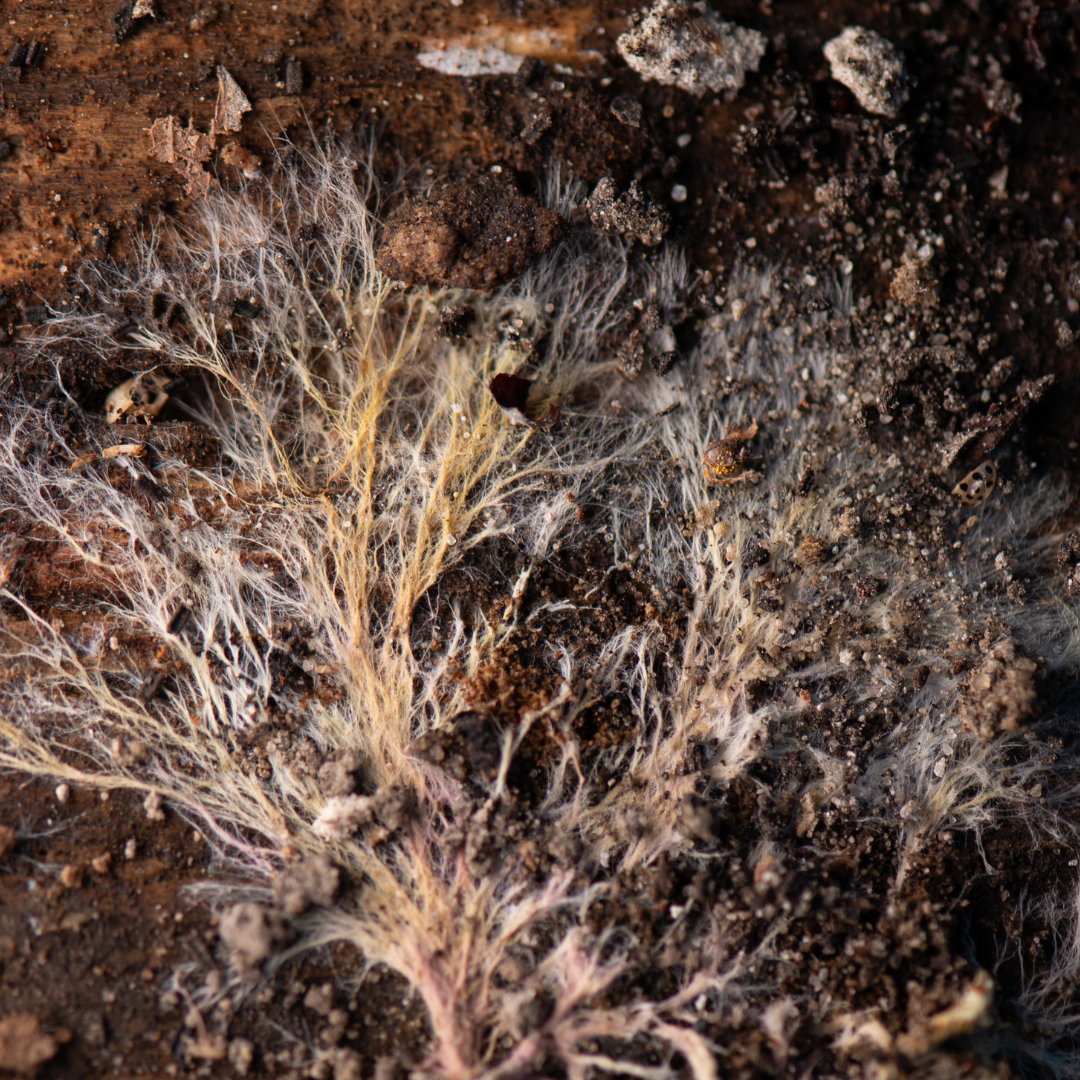
Fungi weave their intricate networks through the unseen world, breaking down what has fallen and helping return nutrients to the living soil.
So much is happening beyond what our eyes can see.
And perhaps the same can be true within us.
As we move inwards, we may encounter questions that are easier to avoid during the busier, brighter months.
Who am I, beneath all the roles I play?
What has shaped me?
Where do I come from?
Who am I becoming?
Sometimes these questions can bring discomfort, uncertainty or loneliness. Sometimes they ask us to acknowledge parts of ourselves or our lives that no longer feel aligned. Relationships, habits, beliefs, expectations, ways of being that once supported us but perhaps no longer do. And just as the trees release their leaves, we may find ourselves being invited to loosen our grip on what has served its time. Not everything needs to be carried into the next season. There is wisdom in letting things fall away.
Look at the woodland floor. The leaves that once reached towards the sunlight now lie upon the earth, slowly decomposing, feeding the soil and nourishing the life that will emerge in seasons to come. What appears to be an ending is also part of a beginning.
Of course, not all endings are welcome. Some bring grief, heartbreak or a deep sense of uncertainty. We don't always get to choose what falls away, and we needn't rush to find meaning in every loss. But perhaps we can begin to trust that the darkness itself is not empty. It is fertile. A place where we can rest, grieve, dream, question, and perhaps even feel a sense of wonder at all that remains unknown. There can be delight in not knowing what comes next. In allowing ourselves to exist without having everything figured out. In remembering that we are not required to bloom in every season.

Remembering Those Who Came Before
As we approach Samhain, a festival rooted in Gaelic traditions marking the transition from harvest towards winter, we enter a time long associated with remembrance, endings and the mysteries of life and death. In some traditions, this is a time when the veil between the living and the dead is believed to grow thinner. An invitation, perhaps, to remember those who came before us.
I find myself wondering how our ancestors might have experienced this seasonal threshold. For many, the final harvest would have carried both gratitude and uncertainty. The abundance gathered from the land offered nourishment and security, yet the approaching winter also brought very real questions. Would there be enough food? Enough warmth? Would the people and animals they cared for survive the colder months? Their lives were far more immediately connected to the rhythms of the land, the weather and the changing seasons than many of ours are today. And while I don't wish to romanticise the hardships they endured, I wonder what wisdom we might recover from remembering how deeply their survival depended upon the earth, and often upon one another.
Gathering food, preserving what could be stored, tending fires, sharing stories, caring for children and elders, supporting those who were vulnerable. Community was not simply a pleasant addition to life. It was, and remains, part of what allows us to survive. And I believe it is also part of what allows us to thrive.
The Warmth of Belonging
There is something beautiful about allowing ourselves to retreat during the darker months. To spend more time alone, to reflect, to enjoy the stillness of our own company. But turning inwards needn't mean turning away from one another.
We are relational beings. We need connection, companionship, touch, laughter, shared experiences and the feeling that we belong. And sometimes, when the days become shorter and our worlds feel smaller, it can be easy to slip from nourishing solitude into isolation.
Perhaps this is when we most need to remember the power of gathering. To sit in a circle and be heard without needing to be fixed. To share food around a table. To sing, dance, move our bodies and allow energy to circulate rather than become stagnant. To reach out to someone we haven't heard from in a while. To make room for both our own vulnerability and that of others.

There is such strength in being together. Not because we must always be joyful or uplifted, but because we can make space for the fullness of being human. For grief and gratitude. For laughter and tears. For uncertainty and hope. We don't have to carry everything alone.
And perhaps honouring the abundance of the harvest also means asking how we can share what we have. A warm coat we no longer need. Food for a homeless shelter. A meal for a neighbour. Our time, our attention, our willingness to listen. Abundance is not only measured by what we possess, but also by what we can offer and exchange. These small acts of care are part of the fabric that holds communities together. And every act of kindness sends a ripple beyond what we may ever see.
Ancestry Beyond the Human Family
When we speak of honouring our ancestors, our minds may naturally turn towards our parents, grandparents and the generations of people who came before us. Those whose lives, choices, struggles and relationships eventually made our own existence possible. But ancestry can be a tender and complicated subject. Not everyone knows their family history. Some of us have experienced estrangement, abandonment, conflict or harm within our families. Some carry grief for people they have lost, or for relationships they wished could have been different. And for others, there may be very little knowledge of where they came from at all. So I want to approach this invitation with care.
Honouring ancestry does not mean we must celebrate every person or every action in our family history. It does not mean excusing harm, denying pain or feeling obliged to maintain relationships that are not safe or nourishing.
We can acknowledge that life came through those before us while still holding boundaries, grief and complexity.
And perhaps we can also begin to widen our understanding of what ancestry means. Because our existence has never depended upon human life alone.
What of the trees? The ancient forests that have breathed life into our atmosphere, sheltered countless beings and shaped the landscapes we inhabit?
What of the rivers and oceans, whose waters have travelled through clouds, rain, soil, roots and bodies for millions of years?
What of the plants that nourish us, the fungi that sustain our soils, the birds that scatter seeds, the insects that pollinate flowers, and the worms quietly transforming the earth beneath our feet?
What of the countless organisms, visible and invisible, whose existence supports our own?
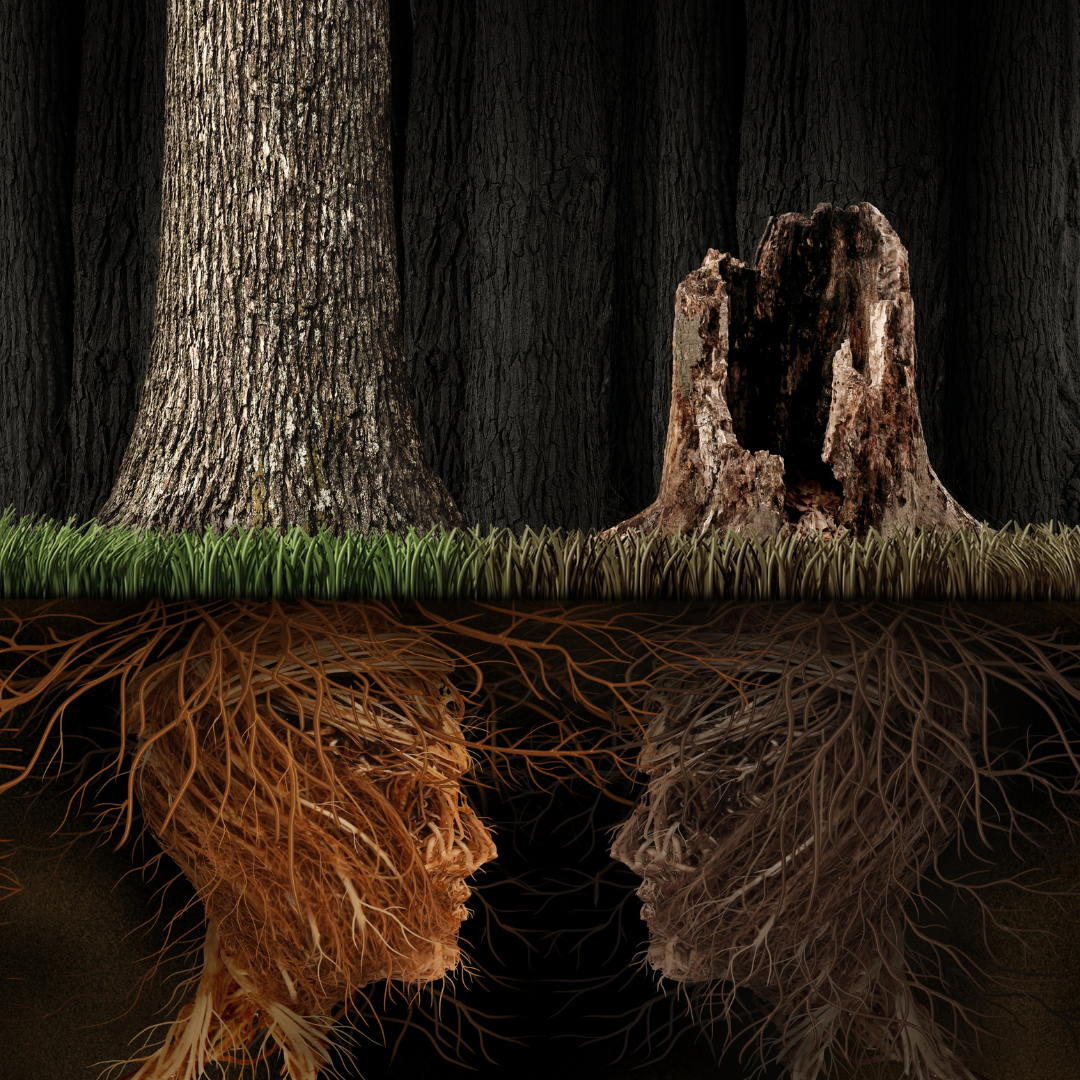
We are here because of an extraordinary web of life. An unfolding story billions of years in the making. Every breath we take connects us to the living world. Every meal carries the gifts of sunlight, water, soil and the labour of countless beings. Even the minerals within our bodies have histories far older than humanity itself. We are made of the earth. Not visitors upon it, but expressions of it.
And when I think of ancestry in this way, something opens within me.
My sense of belonging becomes wider than a family tree, a surname, a place of birth or a particular lineage. It reaches into the soil beneath my feet. Into the waters that sustain me. Into the trees, the birds, the creatures and the living systems with whom I share this home.
We are not separate lives existing alongside nature. We are nature, participating in itself.
And perhaps this remembrance can help us meet the world with greater tenderness.
Because when we recognise how deeply interwoven our lives are, it becomes harder to imagine that what happens to the earth, or to another living being, has nothing to do with us.
The Ancestors We Are Becoming
There is another part of this reflection that has been sitting deeply within my heart.
We often think of ancestors as those who came before us. But one day, we too will be the ancestors. Not necessarily through children or bloodlines, but through the lives we touch, the choices we make, the places we tend and the world we leave behind. We are already shaping the future. Through how we care for the earth. Through how we treat one another. Through the stories we share, the communities we create, the resources we consume and the values we choose to live by. And I find something both humbling and empowering in this. Because it can be easy to look around at the world and feel overwhelmed. To see suffering, division, environmental destruction and injustice, and wonder whether our individual actions could possibly make a difference.
And yes, the challenges we face are vast. Many require collective action and changes far beyond individual choices. But that doesn't mean our participation is insignificant. Every movement begins somewhere. Every community is shaped by the people who belong to it. Every act of care, however small, contributes to the world we are creating.
What if we began asking ourselves not only what kind of world we wish to live in, but what kind of world we wish to leave behind? What if we saw ourselves as caretakers, rather than owners, of the earth? What if we remembered that our lives are part of a much longer story, one that began long before us and will continue long after we're gone?
Perhaps this is where remembrance becomes responsibility. Not a heavy burden to carry, but an invitation to participate with love. To tend what is within our reach. To speak with kindness. To stand for what matters. To nurture the relationships, communities and ecosystems that sustain us. To recognise that even the smallest seeds, when tended with care, hold the potential to grow into something far greater than themselves. We may never know all the lives our actions will touch. But that doesn't make them any less meaningful.
Returning to the Earth
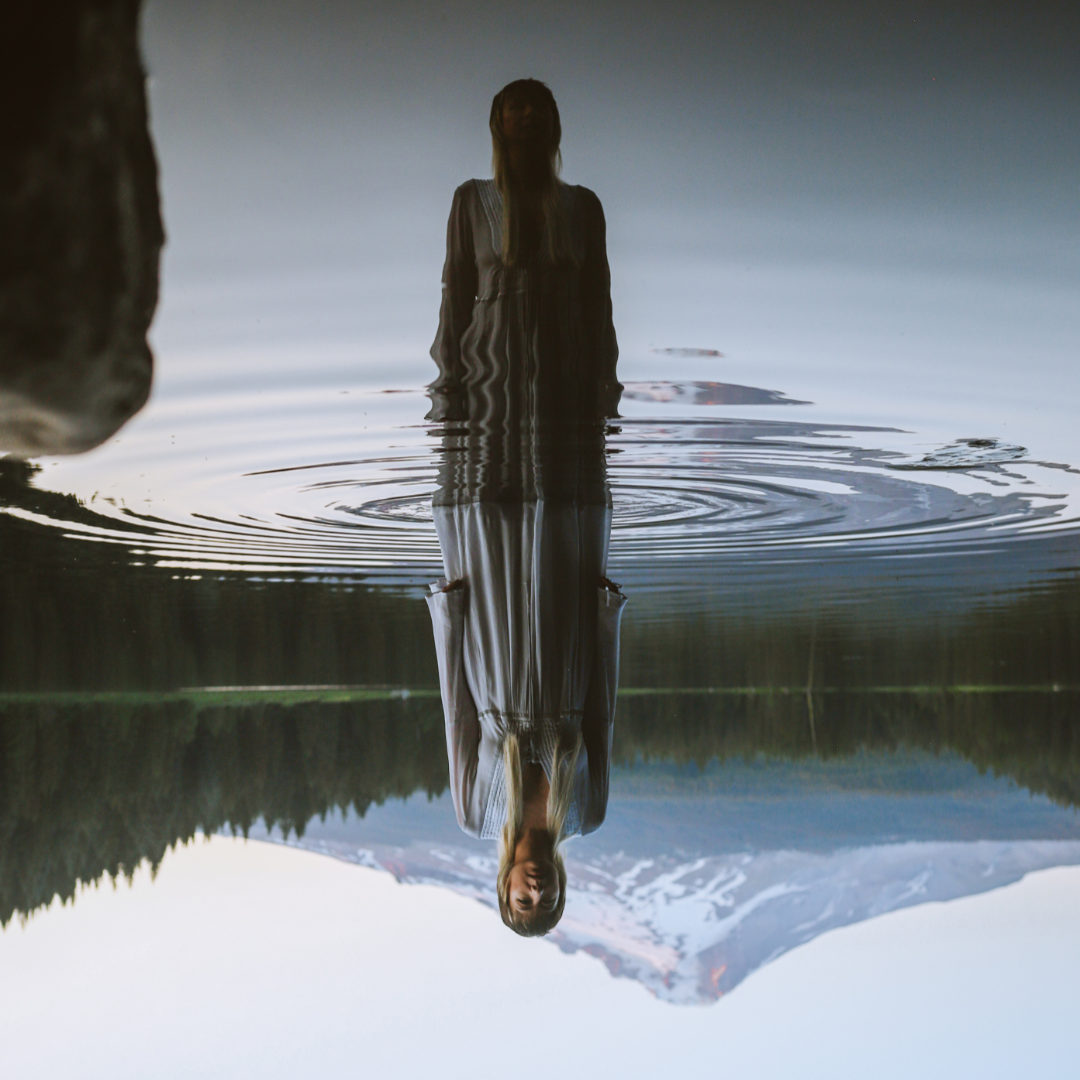
So as we enter these darker months, perhaps we can allow ourselves to soften into the rhythm of the season. To rest without guilt. To release what no longer needs to be carried. To welcome the unknown with curiosity rather than fear. To nourish ourselves with the gifts of the earth, and remember to share what we can. To make space for solitude, while keeping the warmth of community alive. And to remember that we belong to something so much greater than ourselves.
The darkness is not simply an absence of light. It is part of the great cycle of life. A place of rest, transformation, mystery and possibility. Just as the fallen leaves return to the soil, and the soil nourishes the roots, we too are part of this continuous exchange. Receiving from those who came before us. Offering something to those who will follow.
We are not separate from the cycles of life and death, nor are we simply observers of the world we've inherited. We are participants in its becoming.
And perhaps the most beautiful way we can honour our ancestors is to live with such care, compassion and reverence for life that the world we leave behind carries something of that love forward.
A Gentle Invitation to Reflect
If you feel called, perhaps make yourself a warm drink, light a candle or step outside into nature. Find a moment where you can be present with yourself and the living world around you.
You might choose to hold a fallen leaf, a stone, or a little soil in your hands. Notice its texture, its weight, its presence.
Consider the countless relationships and processes that have brought this small piece of the earth into being.
And perhaps allow yourself to sit with these questions:
On endings and beginnings
What am I ready to lay down as I enter this next season?
Is there something in my life asking for rest, rather than more effort?
What possibilities might exist within the unknown?
On ancestry and belonging
When I think of my ancestors, who or what comes to mind?
What feelings arise when I consider my human ancestry, and can I make space for those feelings without judgement?
What changes when I expand my understanding of ancestry to include the earth, the plants, the waters and all living beings?
On the future we are shaping
What kind of ancestor do I wish to become?
What values, acts of care or ways of living would I love to pass forward?
What small action could I take today to nourish the world of tomorrow?
You might like to write, draw, move, sing, or simply sit quietly with whatever arises. There is no right way to explore these questions, and no need to find all the answers. Sometimes the most meaningful thing we can do is create the space to listen.
And if you wish to close with a small gesture of gratitude, perhaps place your hands upon the earth and offer a few words:
To all that came before me,
To the earth that holds me,
To the lives that nourish my own,
And to those who will come after,
May I walk with greater care.
May I remember that I belong.
May the love I offer today become nourishment for tomorrow.
If these words have resonated with you, I'd love to hear from you. You can drop me an email at ruth@renurture.co.uk. And if you're feeling called to connect in person, you're warmly invited to explore my upcoming gatherings, where we come together through sound, cacao, mindfulness and shared experiences.
May we continue to find ways to nourish ourselves, one another and the earth that sustains us.
Stay cosy and blessed,
Ruth
ReNurture